What Entrepreneurs Should Know: The Shift in India’s GST — Impact & Opportunity
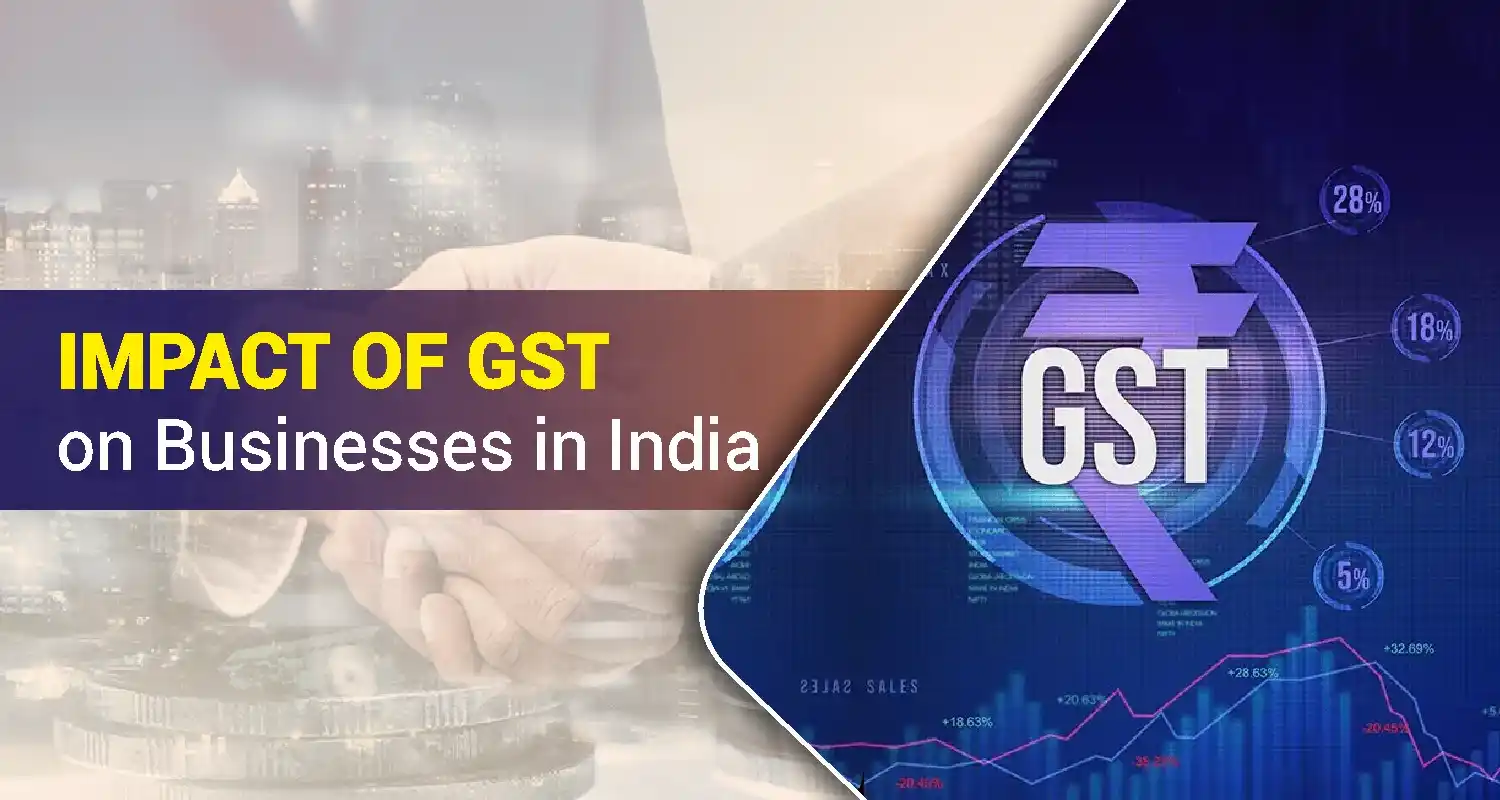
The rollout of GST 2.0 in 2025 — simplified slabs, streamlined registration, and updated compliance norms — is more than just a tax reform. For entrepreneurs and small businesses, it reshapes how quickly they can start and scale. (SMFG India Credit)
For startups and MSMEs, faster formalisation is a key win. With auto-approval for many GST registrations, founders can obtain a GSTIN within about three working days, which is critical for onboarding large clients, suppliers or e-commerce platforms. (India Briefing)
Simplified tax slabs and lower rates on many SME-grade goods reduce the effective tax burden. That can translate into lower prices for customers, better margins for businesses, or a mix of both. (cleartax)
Because more of the GST process — from registration to returns — is digital and standardised, compliance becomes less manually intensive. This is especially important for lean teams that cannot afford a dedicated in-house tax department. (India Briefing)
Entrepreneurs and consultants can use the reform as a marketing hook. When talking to small business owners, positioning “fast GST registration under GST 2.0” as part of the service helps make your offering concrete and time-bound.
It is also the right moment to encourage early compliance. Many businesses delayed GST registration in earlier years; with a smoother system and likely tighter enforcement ahead, getting registered now is a safer and smarter move.
Founders should revisit pricing. Changes in slabs and input credits affect landed costs, list prices and margins. Whether you run a product or service business, it is worth recalibrating pricing models and communicating any clear savings to customers.
From a broader perspective, GST 2.0 is designed to encourage formalisation and improve ease of doing business. A simpler, more predictable indirect tax regime can support growth in MSMEs and create a healthier, more transparent business environment.
For India’s entrepreneurial ecosystem, this combination of result-oriented tax law, lighter entry barriers and improved compliance infrastructure sets the stage for more new registrations and bolder scaling plans from 2025 onwards.